

British WW1 Patern 1902 Service Dress 1917 and Belt
British WW1 Patern 1902 Service Dress 1917 and Belt
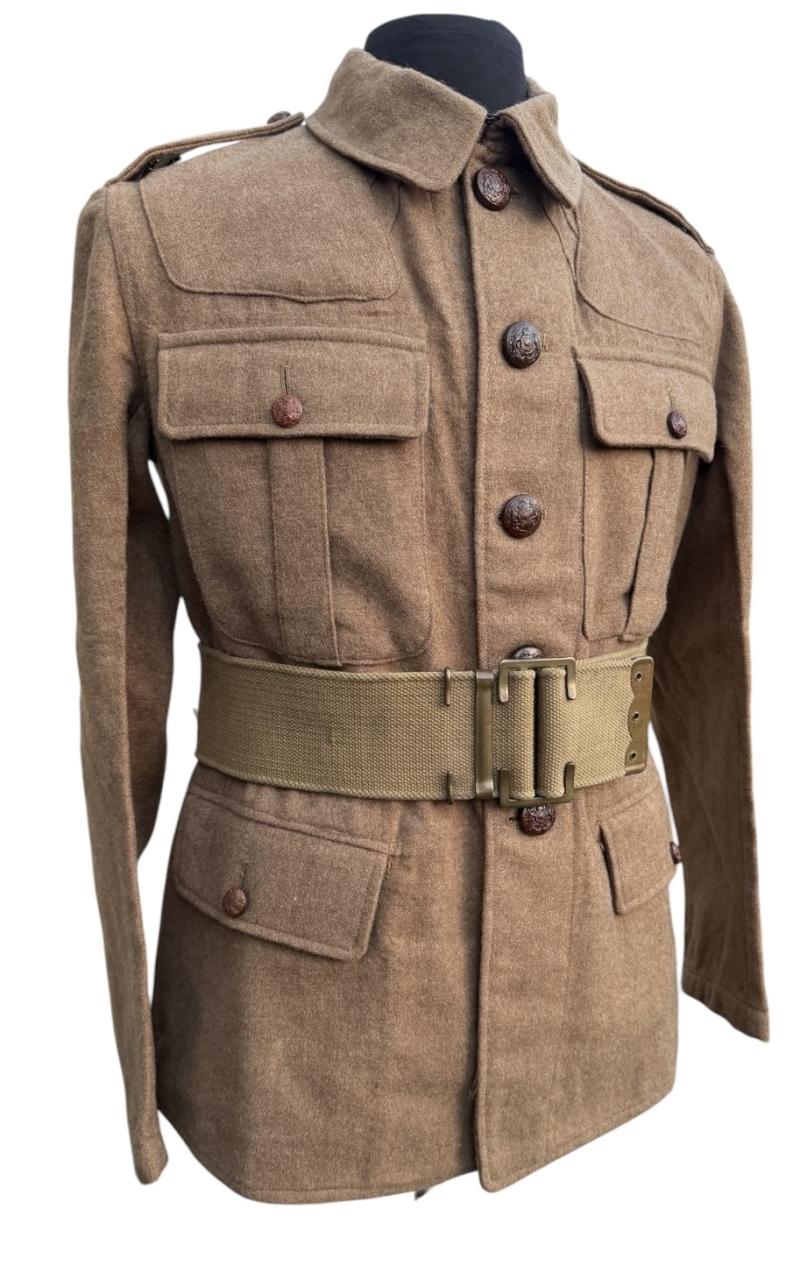
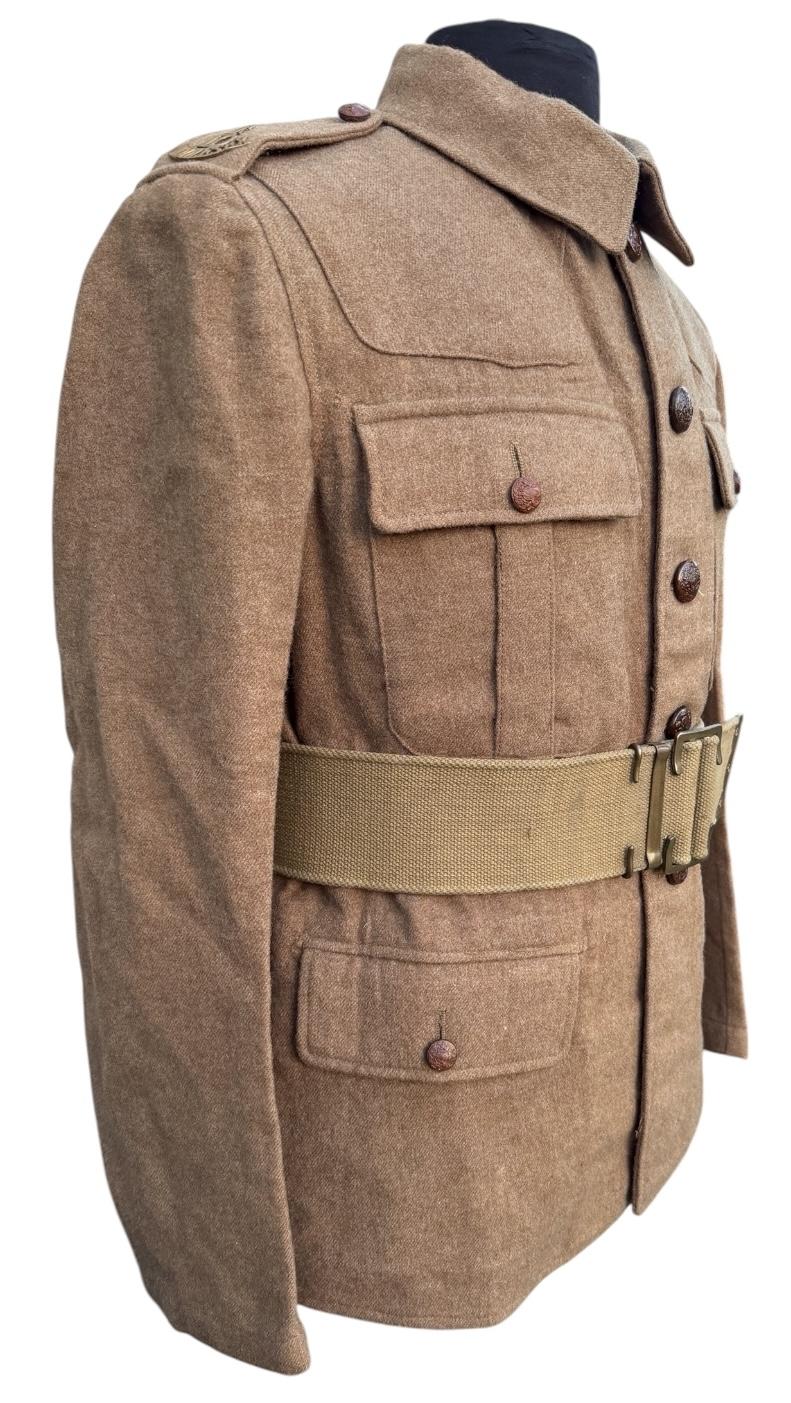
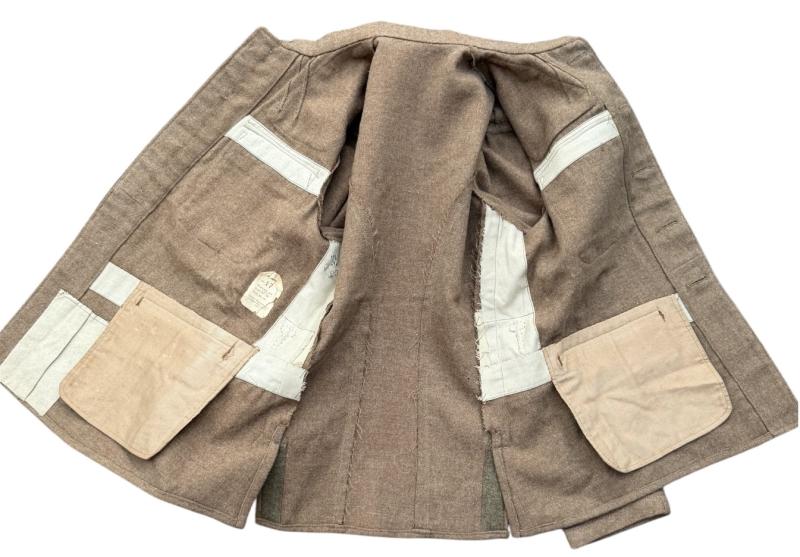
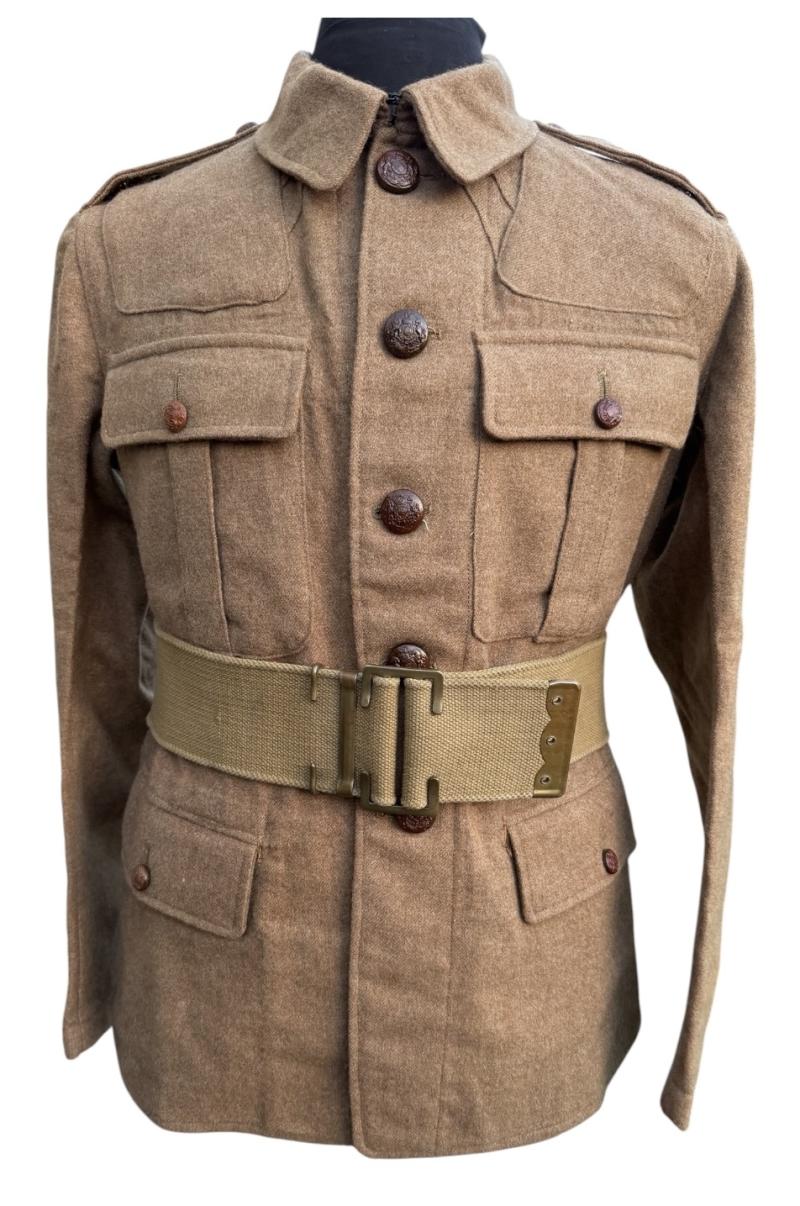
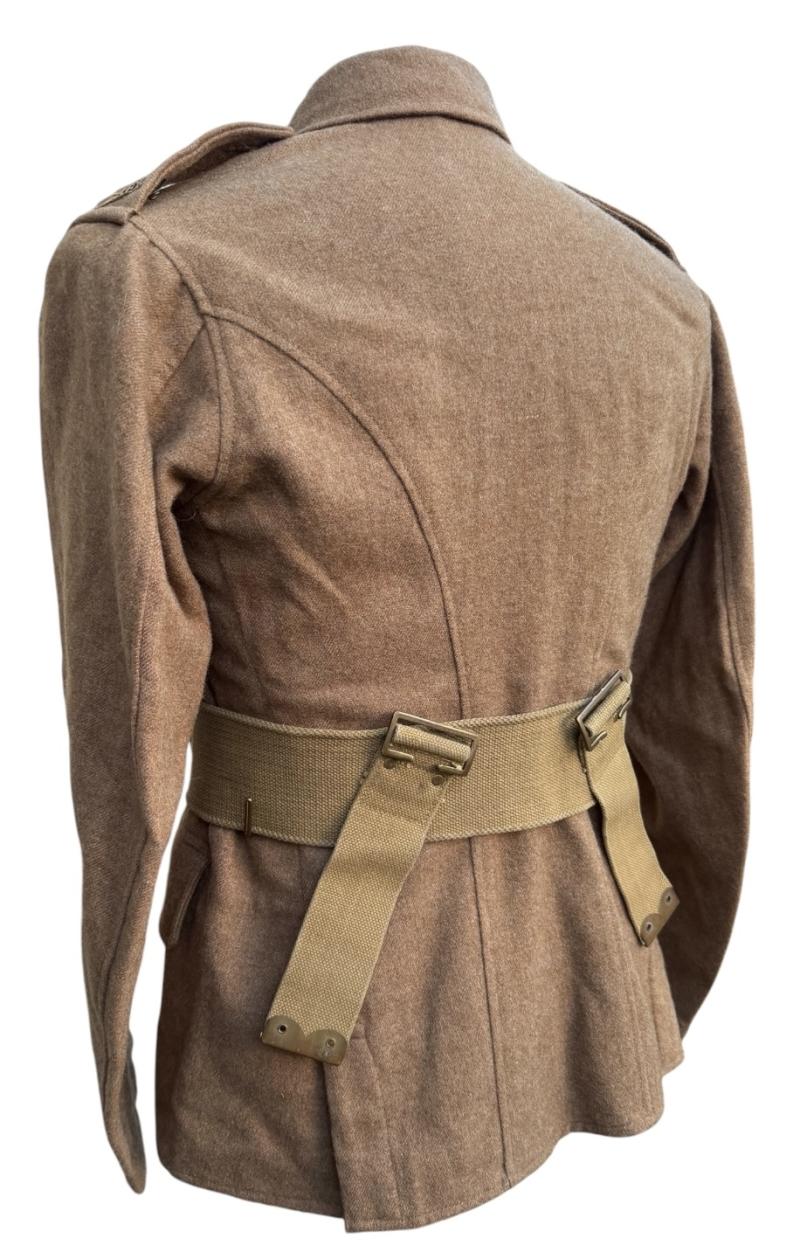
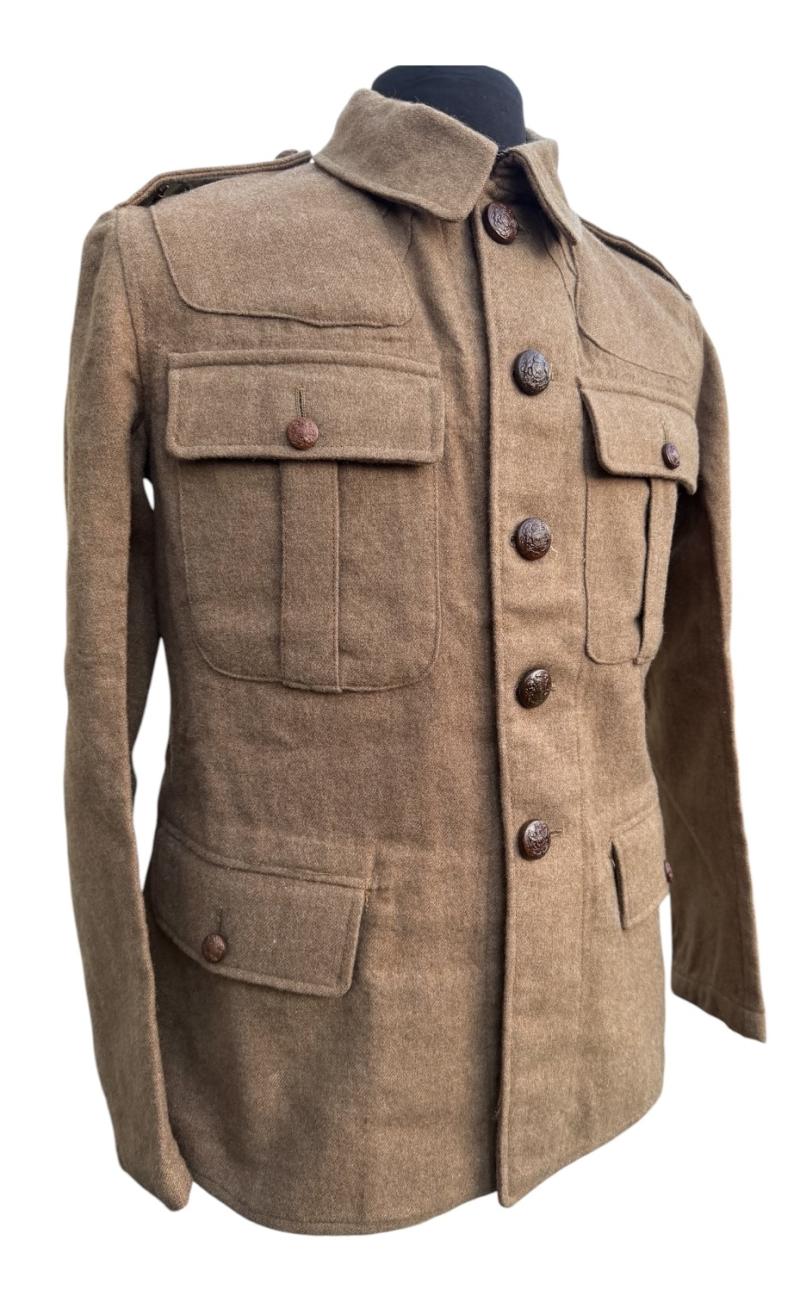
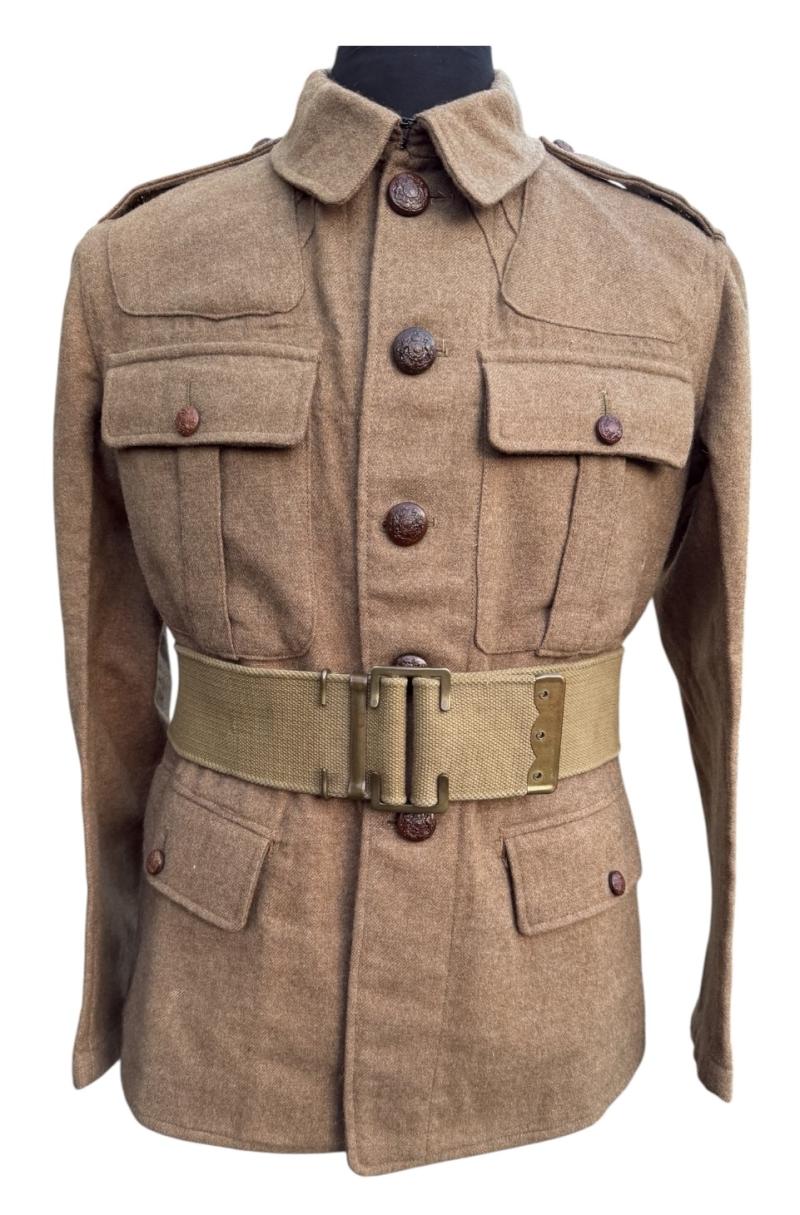
Fantastic British WW1 Patern “1902” service dress
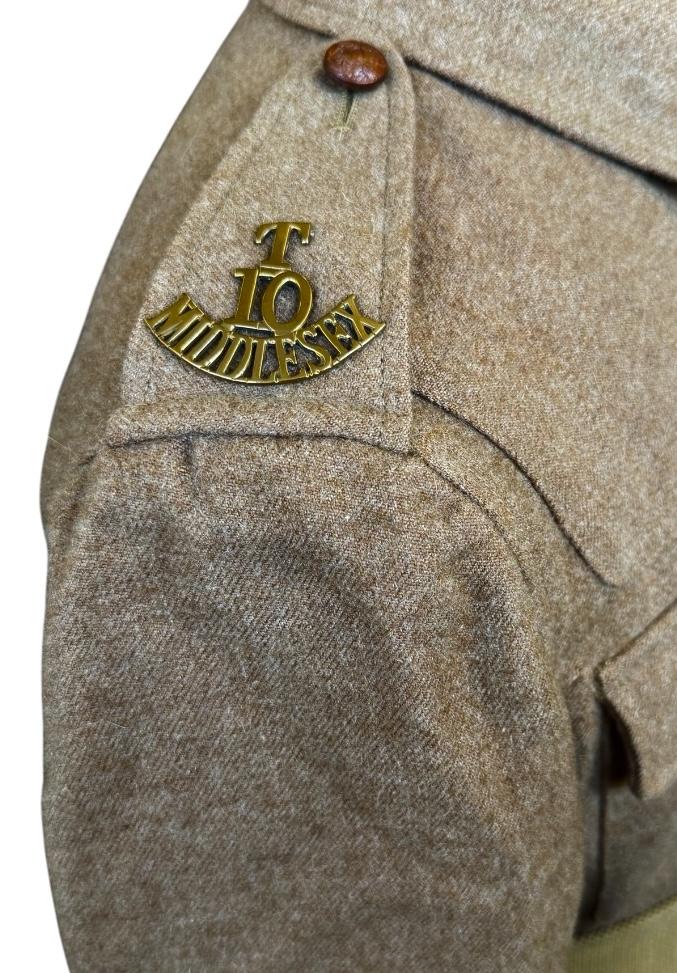
Dated “1917” of the “Territorial Middlesex Regiment”
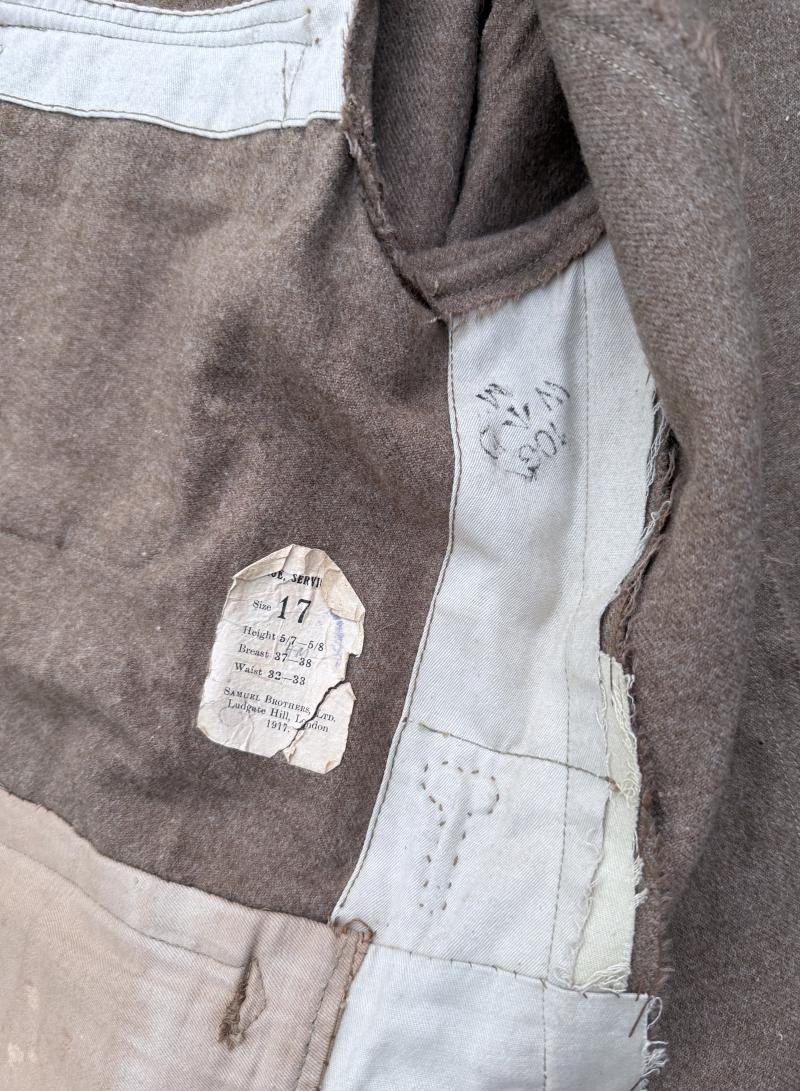
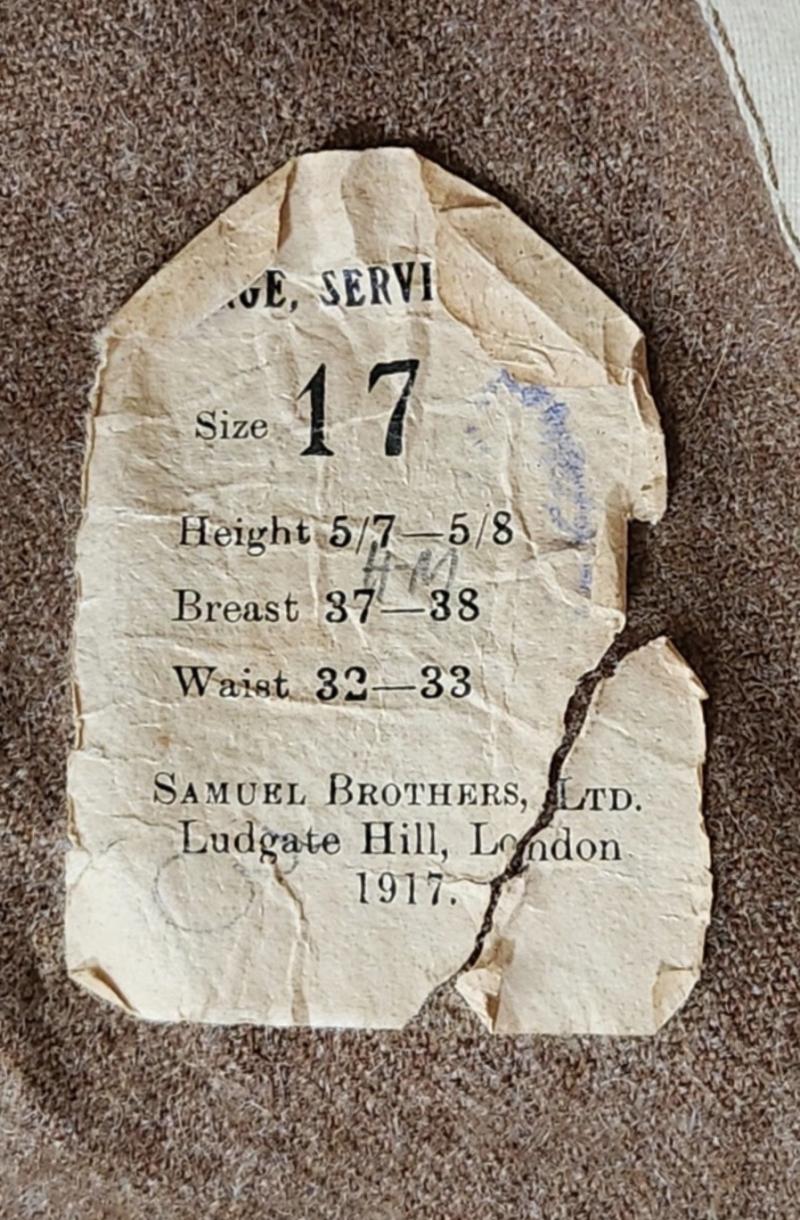
With its original paper label! Dated “1917” made by “Samuel Brothers Ltd., Ludgate Hill, London” in size “17” with original metal “Territorial Middelsex Regiment” shoulder Insignia. With 3/4 minor mith nips
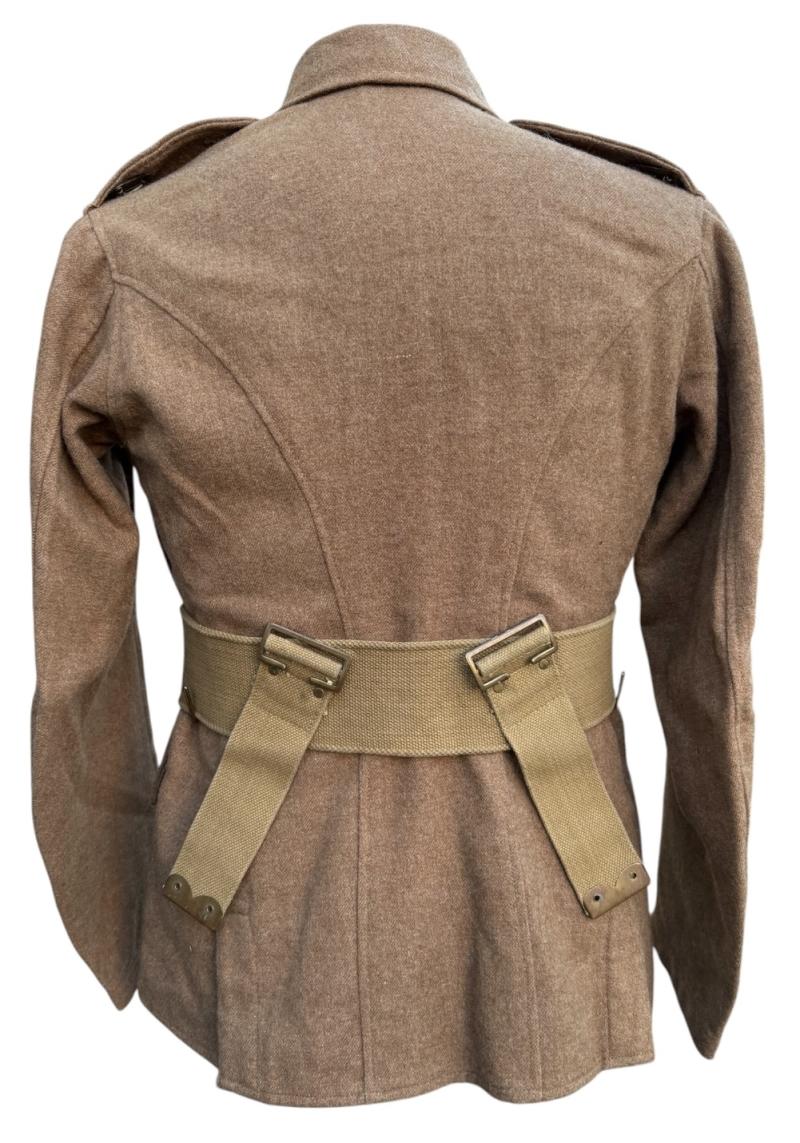
Overall in outstanding condition and all buttons present. War Department stamped aswell.
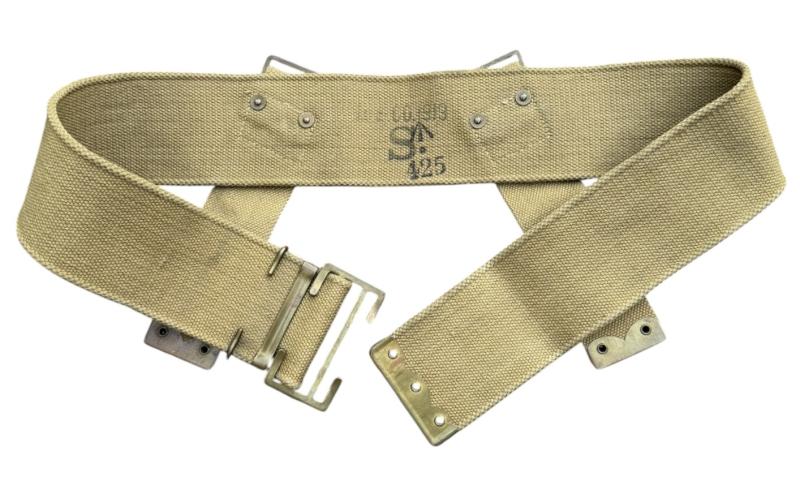
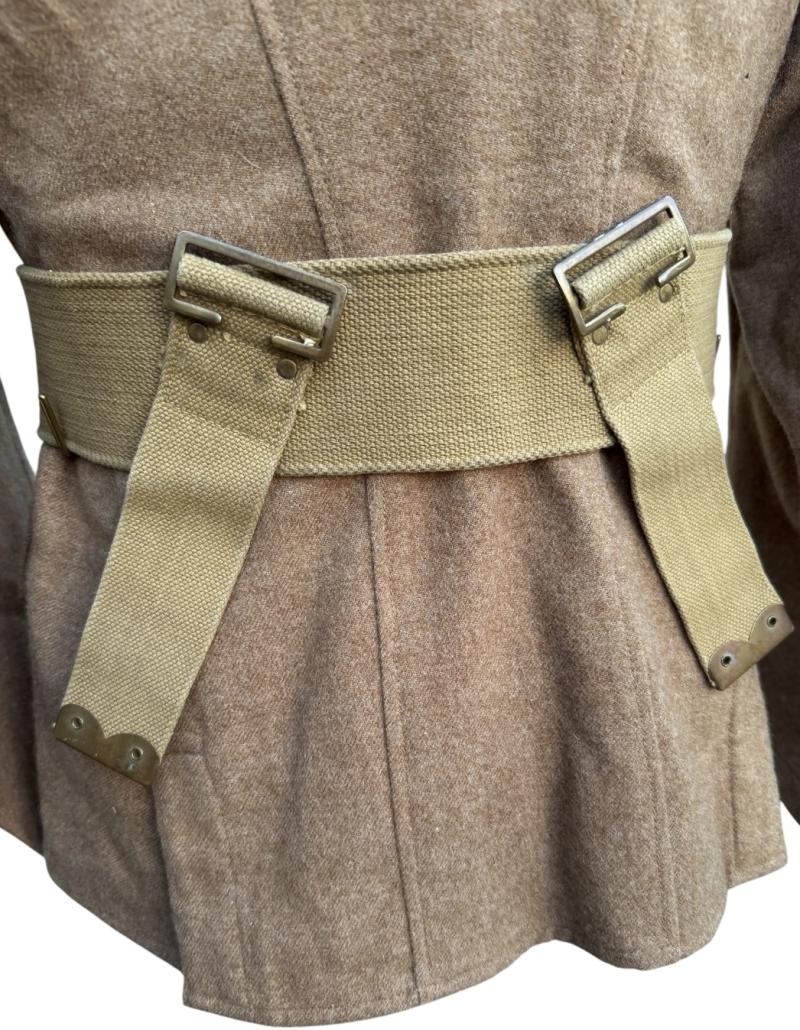
The webbing combat belt Patern “1908” is dated “1918” in size “S” is in outstanding condition aswell
Overall service dress and webbing belt in outstanding condition! (Tunic 109 years old abd belt 110 years old) great in a worldwar 1 collection! Extremely hard to find!
History of the Regiment :
The Middlesex Regiment (Duke of Cambridge's Own) was an infantry regiment of the British Army, formed in 1881 under the Childers Reforms by amalgamating the 57th (West Middlesex) Regiment of Foot and the 77th (East Middlesex) Regiment of Foot, along with associated militia and volunteer units. It initially comprised two regular battalions, which expanded to four regular and four territorial battalions by 1908, reflecting its role as a key line infantry unit recruited primarily from the historic county of Middlesex.
The regiment's predecessors traced their lineage to the 18th century, with the 57th Regiment earning the enduring nickname "Die-Hards" for its tenacious defense at the Battle of Albuera during the Peninsular War in 1811, where it suffered heavy casualties but held its ground against overwhelming French forces. Throughout its existence, the Middlesex Regiment participated in numerous major conflicts, including the Second Boer War (1899–1902), where it saw action in South Africa; the First World War (1914–1918), raising nearly 50 battalions to fronts such as the Western Front, Salonika, Mesopotamia, and India, with notable engagements at the Battle of St Quentin in 1918; the Second World War (1939–1945), fighting in campaigns including Normandy in 1944; and the Korean War (1950–1953). These deployments highlighted its versatility, from trench warfare to amphibious assaults, and it accumulated numerous battle honors for valor and service.
By the mid-20th century, as part of broader British Army reorganizations, the regiment underwent reductions, with its four regular battalions disbanded to two in 1922 and the remaining two amalgamated into one by 1948. It was finally amalgamated on 31 December 1966 with the Queen's Royal Surrey Regiment, Queen's Own Buffs, The Royal Sussex Regiment, and the Royal Hampshire Regiment to form The Queen's Regiment, ending its independent existence while preserving its traditions within the modern Princess of Wales's Royal Regiment.
Code: 77713
1795.00 EUR